Advertisement





From our correspondent
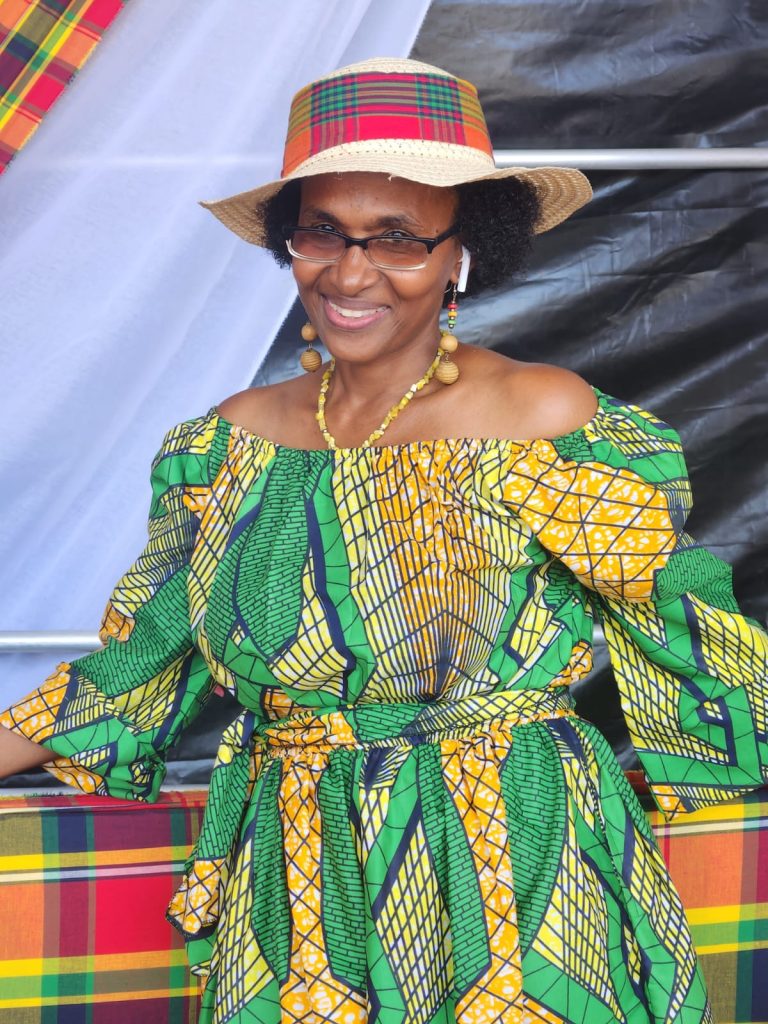
Roseau, Dominica – November 03 2026 — Beverly LeBlanc, a Dominican educator and disability rights advocate, is urging policymakers and technology stakeholders to ensure that persons with disabilities are not excluded as the country expands its digital services. She said accessibility must be considered at the planning and development stages of digital projects, rather than being addressed only after barriers have emerged. LeBlanc made the appeal after attending the Internet Society Advocacy Workshop in Brussels, Belgium, held from October 13 to 15, 2026.
With more than three decades in education, LeBlanc serves as an associate professor at the Dominica State College and leads Circle of Friends, The Achievement Learning Center and ECAMM Education Consulting. Her work includes teacher development, instructional design and support for children with special educational needs and the wider disability community. In an interview with RF Media Services on Tuesday, she described the Brussels workshop as an important opportunity to represent Dominica in global conversations about digital rights, Internet governance and inclusive access.
During the programme, LeBlanc visited the European Parliament and met with a member of the legislature. Their discussion covered European policy initiatives, including the Digital Services Act, the Digital Fairness Act and measures concerning children’s online protection. She said the engagement highlighted how issues such as online safety, accessibility and the rights of vulnerable groups are increasingly influencing international policy. LeBlanc added that she was the sole representative from an English-speaking Caribbean country at the workshop and was able to share Dominica’s experiences and advocacy efforts.
The workshop also equipped participants with tools to strengthen their advocacy, including how to communicate with policymakers, develop persuasive messages and establish professional credibility. LeBlanc said the opportunity to connect with advocates from other countries was equally valuable, particularly for a small island state whose concerns can be amplified through international partnerships. One of the central lessons, she said, was that having an Internet connection does not guarantee that a person can fully use digital services. People with disabilities may have access to devices and connectivity but still be unable to use websites or online systems without assistance.
LeBlanc said Internet governance must include the voices of persons with disabilities in decisions about how digital spaces are designed, managed and regulated. She argued that people with disabilities should have an active role in developing policies and solutions, rather than being regarded only as users of services created by others. She also called for the experiences of small island developing states to be represented in global discussions, noting that limited resources and technical capacity can complicate digital development. In her view, accessibility is not merely a technical matter, but one involving human rights, social justice and equal participation.
She identified the Web Content Accessibility Guidelines (WCAG) as an important reference for improving Dominica’s digital platforms. These standards can help developers create websites that are more usable for people with different disabilities. LeBlanc said accessible platforms should include keyboard navigation, screen-reader-compatible descriptions for images, clear and readable information, captioned videos and the ability to complete online transactions without another person’s help. She stressed that public websites should be accessible from the beginning and that people with disabilities must be involved in testing them, since developers cannot reliably identify every barrier without consulting those who experience them.
LeBlanc plans to advance her “Bridging the Digital Divide” initiative by bringing together government ministries, disability organizations, technology providers and other stakeholders. She said the first step should be an assessment of existing websites and online services to establish what is working and where improvements are needed. She called on government to incorporate accessibility into digital transformation policies, legislation, procurement procedures and public-service development. Educational institutions, meanwhile, should strengthen digital literacy and accessibility training, while technology companies should design and test their products in partnership with persons with disabilities. She said civil society and disability organizations also have a role in raising awareness, supporting capacity-building and ensuring that lived experiences inform decisions.
LeBlanc said her experience in Brussels had reinforced her determination to help Dominica shape a digital future that includes everyone. She intends to use the knowledge and connections gained through the fellowship to engage stakeholders and expand accessibility awareness through her work in teacher education. She emphasized that inclusion requires more than allowing people to enter the digital environment; it must also enable them to participate and act independently. LeBlanc said the country’s digital progress should therefore be judged not only by the sophistication of its technology, but by whether people with disabilities can fully benefit from the services and opportunities it provides.
Related news:
Register now online at SwiftPac.com to receive your packages in St. Maarten
CTO Launches Caribbean Tourism Month with Call for Stronger Regional Cooperation
Sint Maarten Inspectorate Partners with Altus to Expand Public Access to Services
Martinique Projects 275 Cruise Ship Calls as 2026–27 Season Gets Underway
Anguilla Showcases Luxury Tourism Offerings to Latin American Travel Advisors
Port Everglades Considers US$1.7 Billion Cruise Infrastructure Investment
Dominica to Honour 17 Citizens for Service and Contributions at Independence Celebrations
Grenada’s NNP Congratulates Emmalin Pierre Following National Leaders’ Debate
Anguilla Named Caribbean’s Safest Destination in 2026 Ranking
If CBI Must Go, What Comes Next for the Caribbean?
Dominica Seeks Economic Safeguards as EU Pressures Caribbean Nations to End Citizenship Programmes
St. Maarten Tourism Bureau Promotes New Contour Airlines Route to St. Thomas
Carnival Corporation Projects Double-Digit Cruise Growth for Bonaire by 2027
CTO and ICF to Convene Caribbean Tourism Leaders on European Market Opportunities
###
ADVERTISEMENT