Advertisement





By Erwin E. Dormoy
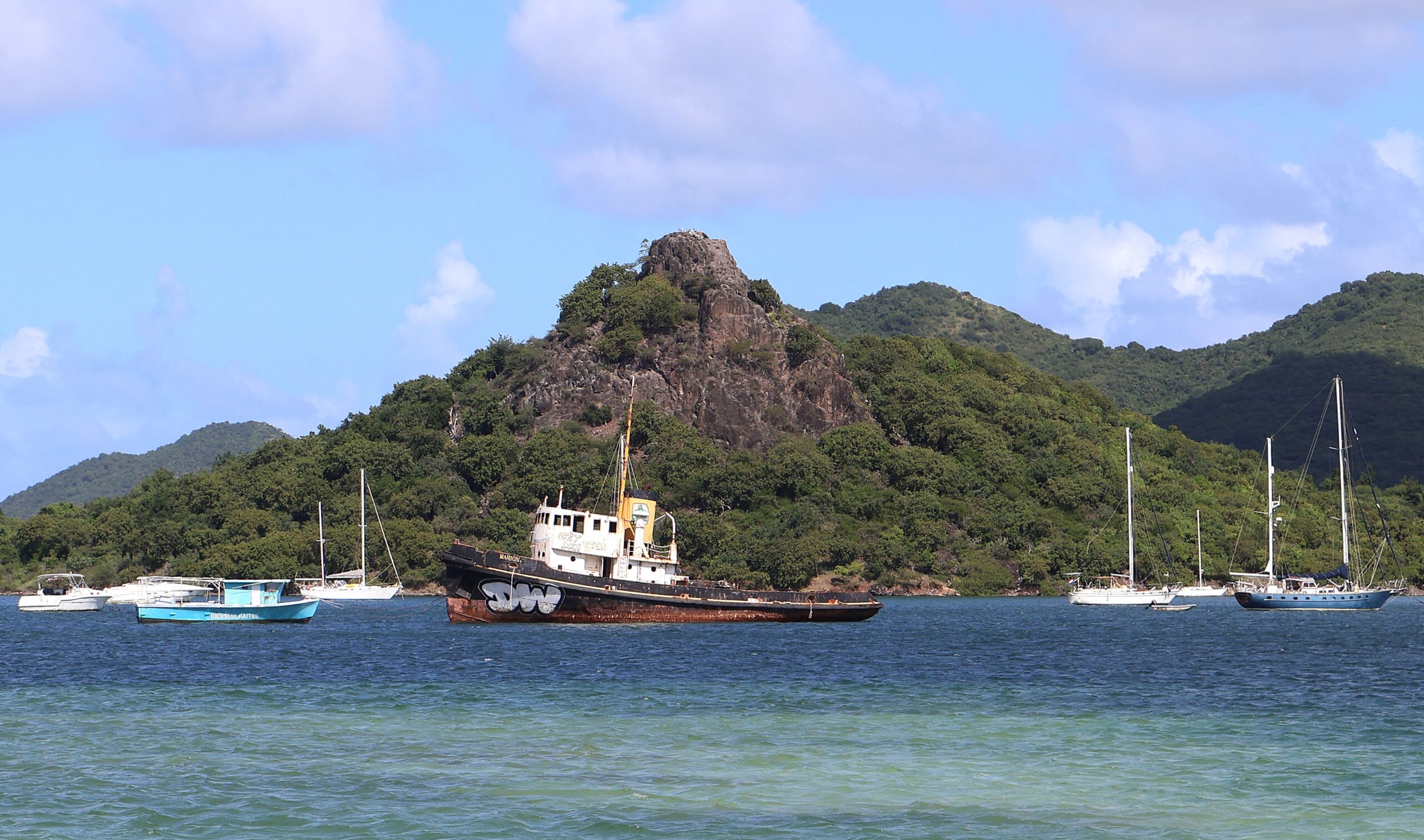
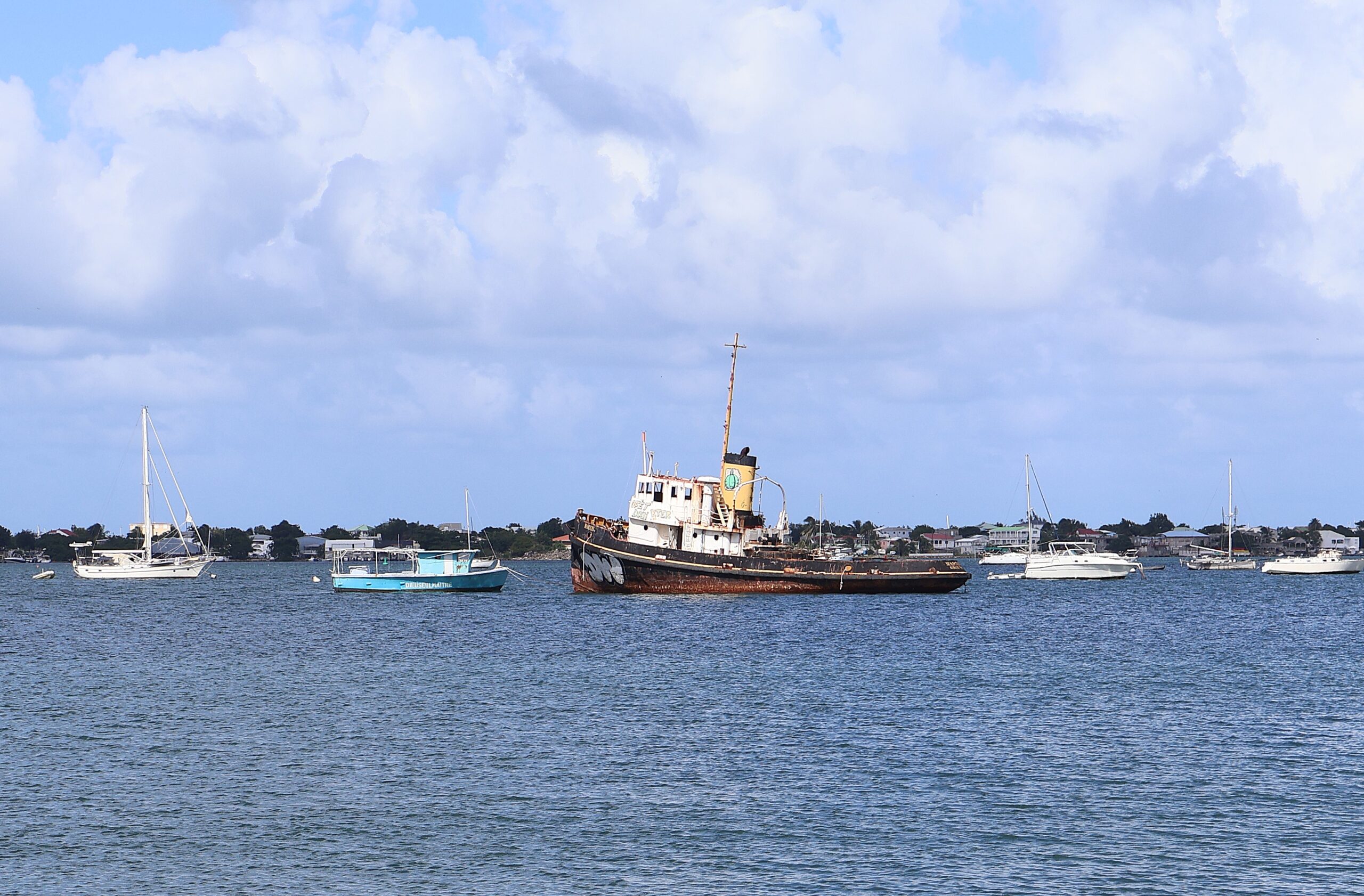
Three years after the National Recovery Program Bureau (NRPB) announced that the salvaged tugboat Marion would be sunk in the Man of War Shoal Marine Park to create an artificial reef, the project has stalled. Despite nearly USD 176,000 already spent to clean and prepare the vessel, the tugboat remains moored in Simpson Bay Lagoon.
On August 10, 2022, the NRPB revealed that “Tiegland,” a site within the marine park, had been selected for the sinking after extensive consultations with dive operators, the Sint Maarten Nature Foundation, and government inspectors. The location was chosen for two key reasons: it lies within the country’s only marine protected area, and its relatively shallow depth of 23 meters makes it accessible to divers of all levels.
At the time, the sinking was hailed as the capstone of the Sint Maarten Trust Fund’s Emergency Debris Management Project (EDMP). The Marion was to be transformed from a wreck left in the aftermath of Hurricane Irma into both a marine habitat and a recreational dive site, enhancing the island’s eco-tourism product.
Delays and budget constraints
The operation was initially scheduled for the final quarter of 2022. However, according to the NRPB, bids received in 2023 to carry out the sinking significantly exceeded the allocated budget. As a result, the Bureau advised government to seek financing outside the EDMP, effectively halting the project.
“The NRPB is awaiting guidance from the Government on how to proceed with the sinking of the Marion,” the Bureau confirmed in response to questions.
The NRPB explained that the decision to pause was intended to ensure that the Trust Fund’s limited resources could be redirected toward other high-priority recovery activities. Nevertheless, this left the fate of the Marion unresolved.
USD 176,000 already spent
The delay has drawn attention to the significant resources already invested. In preparing the vessel, contractors removed asbestos-containing materials, interior wood paneling, windows, piping, and oil and hydrocarbons from the engines. The cost of this work totaled approximately USD 176,000.
The Marion’s engine remains onboard, although it was partially cleaned during the process. According to the NRPB, all hazardous waste materials were exported abroad to ensure environmentally sound disposal.
For many stakeholders, the Marion project had represented a positive example of post-Irma recovery efforts. Dive operators had anticipated a new attraction that could diversify the island’s tourism offerings, while environmental advocates noted that artificial reefs provide safe havens for marine life and act as nurseries for fish.
Artificial reefs also indirectly support local fisheries by creating habitats where species can reproduce and mature, though fishing itself is not permitted in the marine park.
The Sint Maarten Nature Foundation, which manages the park, has repeatedly underlined the need for any sinking operation to meet strict environmental standards. With the Marion’s reinforced steel hull and structural integrity, the vessel was well suited for colonization by corals, sponges, and other marine organisms.
Concerns during Hurricane Season
The vessel’s continued presence in Simpson Bay Lagoon raised concerns during Hurricane Season. The Marion was among 139 shipwrecks cleared from the lagoon under the EDMP precisely because derelict vessels posed environmental hazards and risks of damage during storms.
With the tugboat still in the lagoon, some observers question whether the initial investment has achieved its intended purpose. While the NRPB stresses that the government now holds responsibility as custodian of the wreck, the lack of a clear plan raises uncertainty about when—or if—the artificial reef will materialize.
###
ADVERTISEMENT