Advertisement





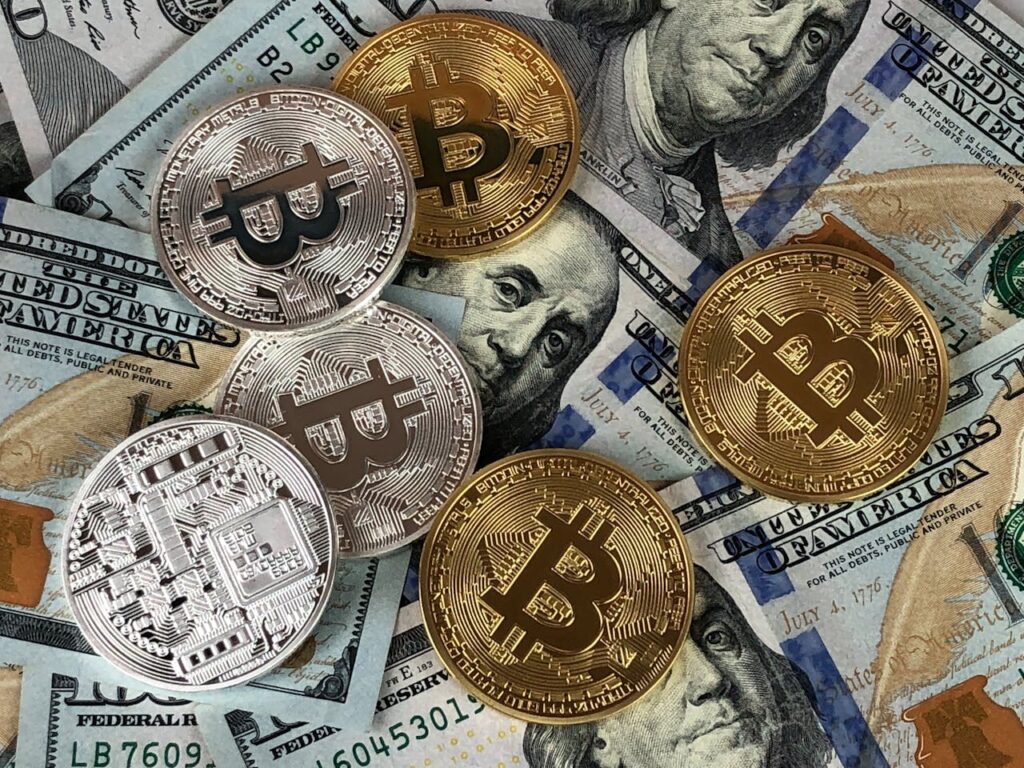
Lissabon case highlights growing cryptocurrency use and shadow economy in St. Maarten
PHILIPSBURG—The high-profile Lissabon case involving former Member of Parliament Rolando Brison has drawn renewed attention to the growing role of cryptocurrency in St. Maarten’s economy and the challenges authorities face in monitoring digital financial activity.
Brison, the former leader of the United People’s (UP) party, is accused of passive bribery and abuse of office as Member and Chair of Parliament. During court proceedings he addressed questions about cryptocurrency transactions referenced in the case, explaining that he trades in several digital currencies and that Bitcoin Cash is particularly popular among users on the island.
The case has highlighted how cryptocurrency is increasingly used in St. Maarten despite limited regulatory oversight. Because most cryptocurrency transactions occur on decentralized, peer-to-peer networks rather than through traditional financial institutions, authorities have little reliable data on the number of users or the total volume of digital transactions taking place locally.
As a result, a growing portion of financial activity may be occurring outside formal oversight, adding a new dimension to the island’s already sizable shadow economy.
Large informal sector
St. Maarten’s informal economy has long been considered one of the largest in the Caribbean relative to its size. Estimates suggest that between 30 and 45 percent of the country’s gross domestic product (GDP) may take place outside formal reporting systems.
Much of this activity is conducted in cash and includes tourism services, small retail businesses, construction work and domestic services. Informal employment has historically been common among migrant workers and unregistered laborers.
The informal sector expanded significantly after the devastating impact of Hurricane Luis in 1995 and Hurricane Irma in 2017. Reconstruction efforts created strong demand for labor, and many workers were hired outside formal employment structures as the island rushed to rebuild homes, businesses and tourism infrastructure.
While informal employment provided income for many residents during the recovery period, it also meant that large amounts of economic activity were never fully recorded or taxed.
Financial exclusion
Limited access to formal banking services has further reinforced reliance on cash transactions.
A survey conducted by the Central Bank of Curaçao en St. Maarten and the St. Maarten Statistics Department found that 23 percent of residents do not have a bank account, while about 17 percent are completely unbanked and rely entirely on cash.
The same survey showed that more than 80 percent of residents regularly withdraw cash to pay for everyday expenses and bills, highlighting the continued dominance of physical currency in daily economic life.
Without access to traditional banking services, many residents face difficulties receiving salaries, transferring funds, or building financial histories. This exclusion has created conditions where alternative financial tools—including digital currencies—become attractive options.
Cryptocurrency wallets and peer-to-peer transfers allow users to send and receive funds without requiring a bank account, providing a degree of financial access for individuals who are otherwise excluded from the formal financial system.
However, these same characteristics also make such transactions difficult for authorities to monitor.
Casinos and cash economy
The island’s gambling sector adds another layer to the financial landscape.
Despite covering only about 16 square miles, the Dutch side of the island hosts 16 casinos. Most are concentrated in the tourism hubs of Maho, Philipsburg and Cupecoy.
While casinos play a significant role in tourism and employment, the sector has long faced regulatory concerns. Reports indicate that casino operators collectively owe the government more than 17 million Caribbean guilders in unpaid licensing fees.
Currently, casinos pay a flat annual license fee rather than a percentage of revenue. This means that smaller casinos and larger operations pay roughly the same amount regardless of their actual earnings.
Government officials have periodically discussed reforms such as establishing a national gaming regulator and revising the fee structure, but no comprehensive regulatory framework has yet been implemented.
Growing cryptocurrency use
Although most physical businesses and casinos do not accept Bitcoin or other digital currencies directly for in-person transactions, users have developed several methods to convert or spend their digital assets.
These methods include online exchanges where cryptocurrencies can be sold for US dollars or Caribbean guilders, peer-to-peer trading between individuals, and limited use of cryptocurrency ATMs to withdraw cash.
Some users also convert crypto holdings into online vouchers or prepaid debit cards, allowing them to indirectly spend digital assets in places that only accept conventional payment methods.
Informal exchanges between tourists and residents also occur, particularly in areas with heavy visitor traffic. These arrangements allow travelers to convert cryptocurrency into cash locally without using traditional financial institutions.
While such practices provide flexibility and financial access, they also expand the portion of the economy that remains largely untracked by authorities.
Regulatory gaps
The Central Bank of Curaçao en St. Maarten (CBCS) has previously acknowledged the regulatory challenges posed by cryptocurrencies. In a 2018 statement, the CBCS noted that it does not have the legal authority to supervise or authorize cryptocurrency exchanges, digital wallets, or crypto-based financial service providers operating in the monetary union.
The Bank said its oversight powers are limited mainly to licensed financial institutions and Money Transfer Companies.
Although work is underway on a Payment System Act that could eventually provide a legal framework for regulating digital payment services, the Bank currently cannot issue licenses for cryptocurrency businesses or prohibit them from operating. As a result, much of the cryptocurrency activity in the country occurs without formal oversight.
The central bank has advised operators and businesses dealing with digital payments to implement strong governance systems, safeguard customer funds, maintain reliable information technology systems, and follow anti-money-laundering and “Know Your Customer” rules where possible. However, these guidelines remain largely advisory in the absence of comprehensive legislation.
Policy responses
In April 2025, Minister of Finance Marinka Gumbs presented draft legislation to Parliament introducing a Basic Payment Account law aimed at improving access to banking services.
The proposed legislation would guarantee residents the right to open a low-cost bank account providing essential services such as deposits, withdrawals and transfers. The measure is intended to expand financial inclusion and allow more residents to participate in the formal financial system.
The concept of a basic payment account was first introduced in Parliament as an initiative of law by former MP Rolando Brison during his time as a legislator.
###
ADVERTISEMENT