Advertisement





From our St. Barths Correspondent
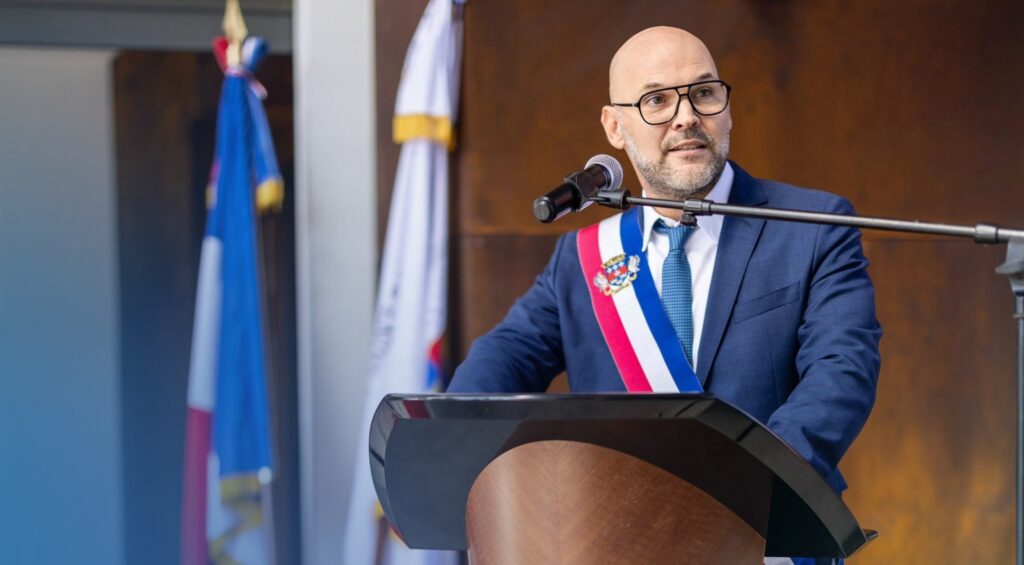
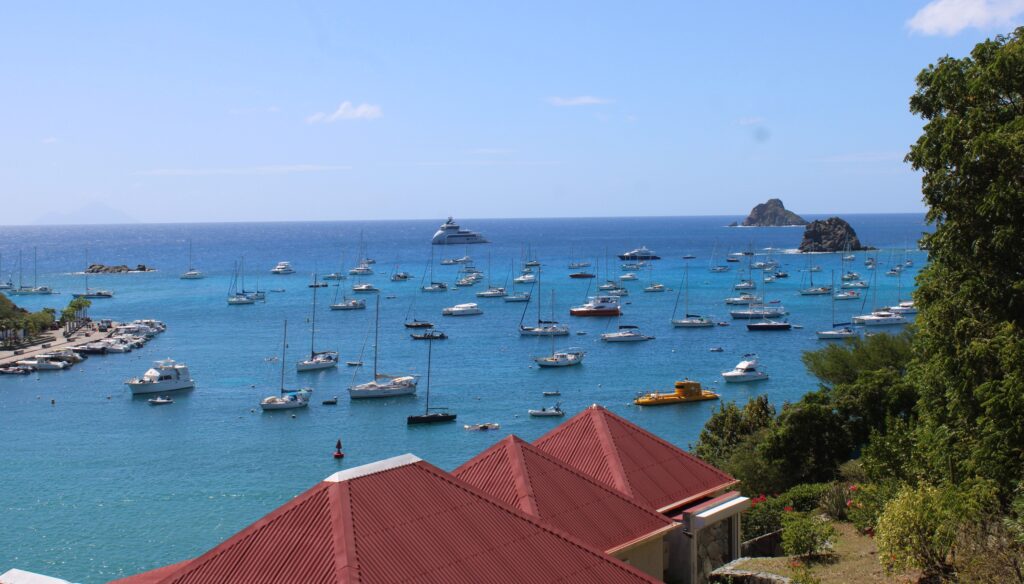
Although separated by only a few nautical miles, St. Maarten and Saint-Barthélemy remain far apart when it comes to communication and mutual understanding. According to President of the Collectivité territoriale of Saint-Barthélemy, Xavier Lédée, the lack of familiarity between the neighboring islands is striking—and regrettable.
“We don’t know each other very well,” Lédée observed, noting that geographic proximity has not translated into cultural familiarity.
Rather than assigning blame, Lédée views the issue as a consequence of limited cultural exchange. He illustrated the point with an anecdote from 2022, when he invited then Prime Minister of St. Maarten, Silveria Jacobs, to attend celebrations marking Saint-Barthélemy Day on August 24. The island is named after Saint Bartholomew—traditionally recognized as the brother of Christopher Columbus—and the date is observed locally as a civic and cultural occasion.
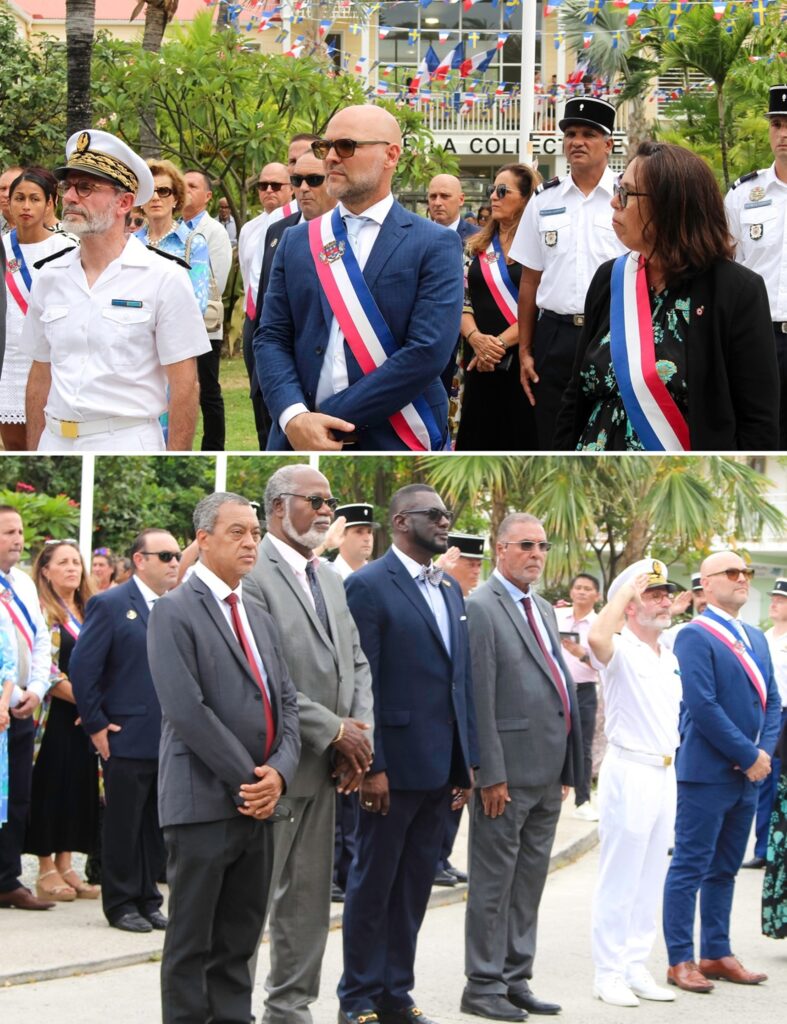
In France, however, August 24 is historically associated with the 16th-century St. Bartholomew’s Day Massacre, a tragic episode unrelated to the island itself. In her response, Prime Minister Jacobs declined the invitation and expressed sympathy to the families of the massacre’s victims—an understandable but misplaced reference.
“I don’t blame her at all,” Lédée stressed. “I could make a similar mistake myself, because I am not fully familiar with the history of Dutch St. Maarten. It simply shows that, despite how close we are, we know very little about each other.”
For Lédée, the incident underscores a broader need for sustained dialogue and deeper cultural exchange between Saint-Barthélemy, Saint-Martin and Dutch St. Maarten. He believes culture offers one of the most effective bridges between the islands.
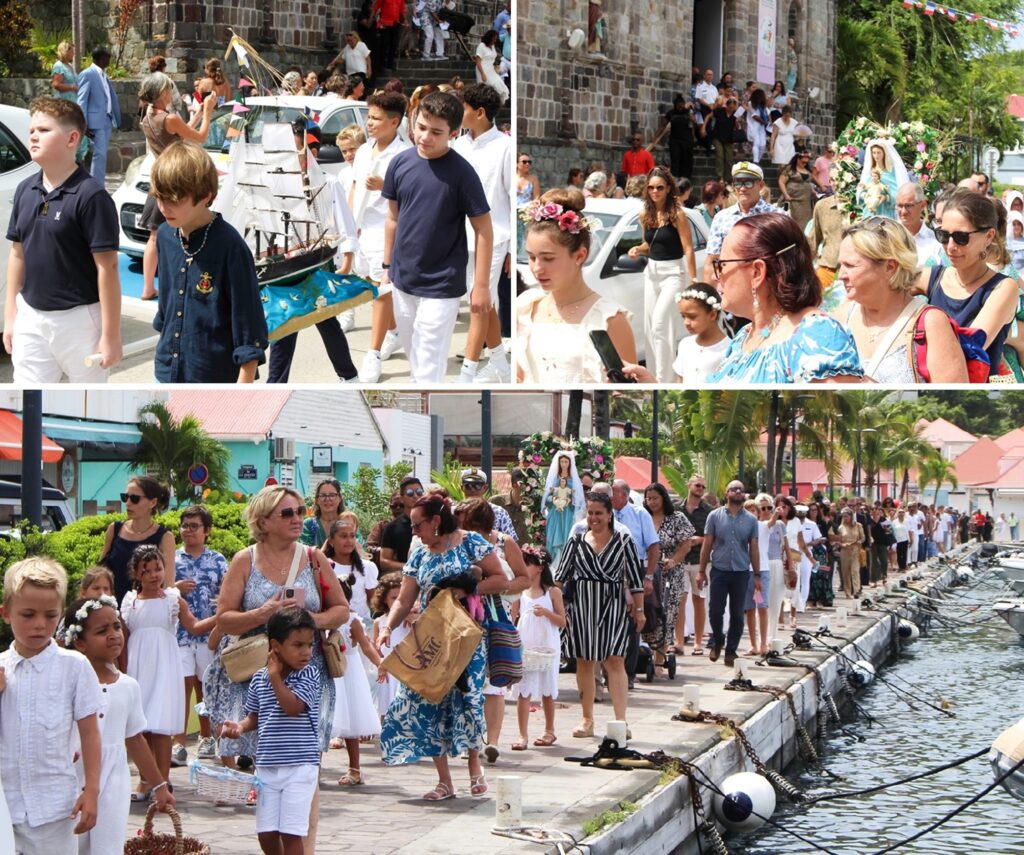
Saint-Barthélemy hosts a rich calendar of cultural events that often remain under the radar regionally. The island is home to two museums and regularly stages art exhibitions featuring both local and visiting artists. Major annual events include the Saint-Barth Film Festival, which attracts regional and international filmmakers; the Saint-Barth Music Festival, known for its classical performances and educational outreach; and a variety of heritage celebrations and neighborhood festivals that reflect the island’s identity.
“Organizing an exhibition takes an enormous amount of time, energy and resources,” Lédée said. “So why should it exist in only one place?” He advocates for a rotating exhibition model, in which shows would be presented for several months in Saint-Barthélemy before traveling to Philipsburg and later to venues on the French side of Saint-Martin. Such an approach, he argues, would give artists greater visibility while expanding access to culture across the region.
Lédée sees similar potential in festivals, suggesting that music, film and cultural events could become platforms for cross-island collaboration by inviting artists, performers and audiences from neighboring islands. “Culture is where understanding begins,” he said. “If we share our art, our festivals and our history, we can start to close the distance that still exists between our islands.”
While cultural ties lag behind, Lédée noted that cooperation already exists in certain strategic areas. Authorities in Saint-Barthélemy maintain close communication with Princess Juliana International Airport (PJIA) as St. Maarten is a vital aviation hub for access to the island. “It’s important for us to stay connected with the airport, and it’s equally important for PJIA to understand how Saint-Barthélemy is evolving,” he said. “But we need to extend that dialogue beyond aviation.”
One pressing area for deeper regional cooperation, Lédée added, is the ongoing challenge of sargassum influxes affecting coastlines throughout the northeastern Caribbean. “No island can solve this alone,” he said. “It requires coordination, shared knowledge and joint solutions.”
For Lédée, strengthening ties between neighboring islands is not merely a matter of goodwill or symbolism—it is a practical necessity. “This is also about safety,” he said. “It involves better coordination to identify individuals sought by the authorities, stronger cooperation on border control, and more effective information-sharing.”
Beyond security concerns, Lédée emphasized the humanitarian importance of regional cooperation. Situations do arise, he noted, in which visitors become stranded on Saint-Barthélemy due to unforeseen circumstances, or require urgent medical assistance.
“In those cases, coordination between the islands is essential,” Lédée explained. “We already collaborate closely with the hospital in Saint-Martin, and we would like to strengthen similar cooperation with the St. Maarten Medical Center. By working together, we can ensure that people receive the care and assistance they need in a timely manner.”
President Lédée said Saint-Barthélemy was long focused primarily on its own internal affairs, a mindset he has deliberately worked to change since taking office. He noted that dialogue with Dutch-side St. Maarten has improved, pointing to several constructive meetings with Prime Minister Dr. Luc Mercelina.
“We have had very good and productive discussions with Prime Minister Mercelina,” Lédée said. “There is a real willingness to talk openly, and we welcome every opportunity to further develop that dialogue and strengthen cooperation between our islands.”
###
Related articles:
Xavier Lédée: From local roots to the Presidency of Saint-Barthélemy
Above the runway: How Bruno Magras keeps Saint-Barthélemy connected
###
ADVERTISEMENT