Advertisement





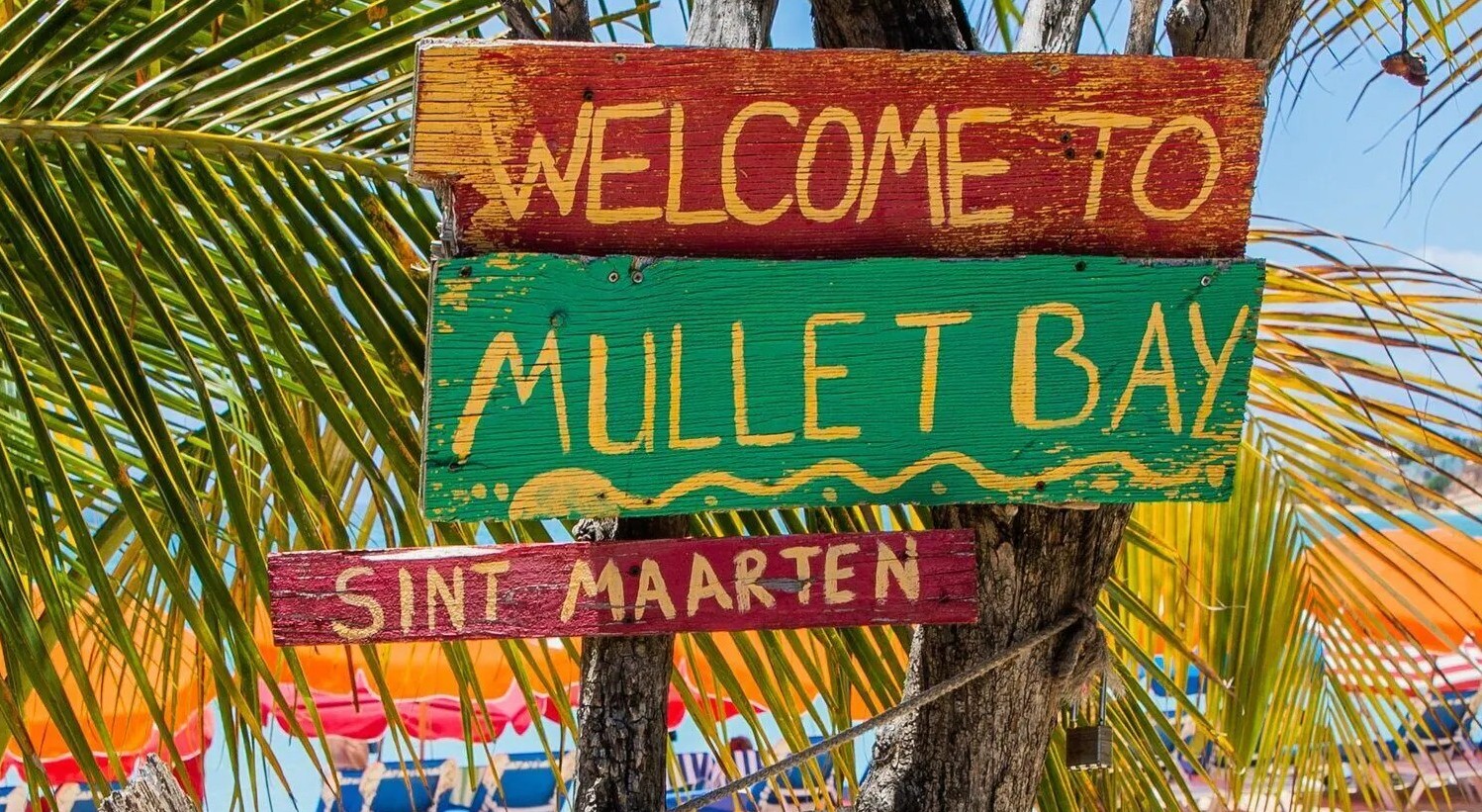
The case now before the Court of First Instance between Sunresorts Ltd. N.V. and the Government of Sint Maarten goes to the very core of what it means to live on an island surrounded by sea. At stake is not just a stretch of sand at Mullet Bay, but a fundamental question: can any private entity claim ownership over our beaches?
Sunresorts argues that as owner of adjacent lands, its property extends all the way to the coastline. Based on that claim, the company is asking the Court to declare that government has acted unlawfully by issuing permits and allowing third parties—local entrepreneurs—to operate on what it considers its land. If successful, this could mean restricted access, financial penalties for government, and a dangerous precedent for other coastal areas.
The Government, through VROMI Minister Patrice Gumbs, has taken the opposite stance: that beaches belong to the public domain and, by extension, to the people of Sint Maarten. This position is rooted in long-standing legal principles, where coastal areas are presumed public unless proven otherwise. In simple terms: our beaches are not for sale.
But here is where the situation becomes more complex—and more uncomfortable.
As one observer correctly pointed out, this issue may not only be about legal ownership, but about shifting coastlines. Through the natural effects of “eb en vloed”—high and low tides—the sea gradually erodes inland, potentially moving the boundary between public beach and private property over time. If cadastral boundaries (“meetbrieven”) were drawn decades ago, they may today extend much closer to, or even into, what we consider the beach.
In other words, what we assume is public space may, on paper, already fall within private boundaries.
We have seen this before. Great Bay beach in Philipsburg did not remain what it is today by accident. It was preserved and extended through deliberate land reclamation and development. Without that intervention, much of that beach might have been lost—legally and physically.
So yes, the Court’s ruling on June 9 will be important. It may clarify ownership, set precedent, and define the limits of government authority.
But let’s not fool ourselves.
This is not a problem the Court should have to solve. This is a problem Parliament should have already addressed.
Because at the heart of this debate lies a simple principle:
A public beach means public access—at all times.
Not sometimes.
Not depending on who owns the land behind it.
Not subject to private negotiations.
If that principle is not clearly and explicitly anchored in our laws and ordinances, then we have failed to protect one of our most valuable national assets.
And that raises the real question:
What are our Members of Parliament waiting for?
Instead of reacting case by case, lawsuit by lawsuit, they should be legislating proactively. Clear laws must define:
- Where private property ends
- Where public beach begins
- And most importantly: that access to that beach can never be denied
Because if we leave it to the courts alone, we are not governing—we are reacting.
And reaction always comes too late.
The people of Sint Maarten are watching this case closely, and rightly so. Emotions are high because this is not just about sand and shoreline. It is about heritage, identity, and the simple right to enjoy the island we call home.
The Court will decide on Mullet Bay.
But Parliament must decide on the future.
Because if we do not protect our beaches in law today, we may very well lose them tomorrow.
Related Articles:
VROMI IN COURT TO KEEP MULLET BAY BEACH PUBLIC
###
ADVERTISEMENT