Advertisement





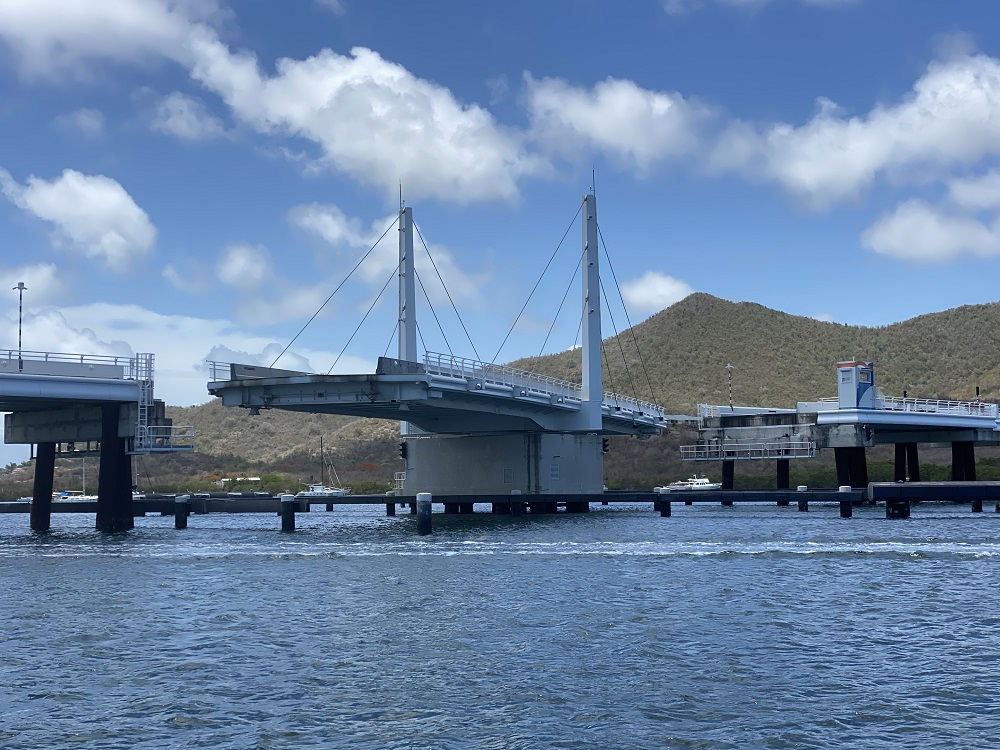
Two subsidiaries of Dutch construction giant VolkerWessels have been ordered to pay a combined €480,000 for bribing Theo Heyliger in connection with the Causeway Bridge project. Separate confiscation proceedings could push the financial liability of the two companies to €2 million.
The ruling, delivered by a three-judge panel of the Rechtbank Overijssel in Zwolle, also imposed a personal fine of €30,000 on a former director of the subsidiaries for giving what the court described as “effective leadership” to the bribery scheme.
Heyliger himself is currently serving a five-year prison sentence following his 2020 conviction in the Larimar case for accepting bribes and committing money laundering.
Payments through a consultant
According to the verdict, the subsidiaries—Volker Construction International (VCI) and Volker Stevin Caribbean (VSC)—made structured payments between 2009 and 2014 to Dutch consultant on St. Maarten. The court concluded that these payments were not legitimate advisory fees, but a mechanism designed to funnel money to then VROMI Minister Heyliger to secure his backing for the Causeway Bridge project.
“The companies knew that the consultancy agreement was primarily a vehicle to justify the payments on paper,” the judges wrote. “It was apparent to the companies that part of the fees would end up with the minister, influencing the outcome of the contract award.” Evidence showed that USD 83,000 in cash ultimately reached Heyliger, hidden among newspapers and construction drawings. The court noted that the minister had expected substantially more—up to USD 860,000—under the broader arrangement, highlighting the scale of the attempted bribery.
The verdict also stated, “The consultant performed little to none of the contractual services outlined in the agreement. The payments were made knowingly to secure the minister’s favor.” Internal communications from the companies, presented as evidence, repeatedly referenced the need to “keep the minister happy” and ensure the bid would appeal to him, showing clear awareness of the scheme.
Decisive influence
At the time, Heyliger held one of St. Maarten’s most powerful ministerial portfolios. Although formal procurement rules applied, the court found he exercised decisive informal control over the award of the Causeway Bridge contract. The verdict observed, “The minister’s influence was the determining factor for the award. The companies knew this and acted accordingly to secure his support through illicit payments.”
The former director of the subsidiaries was found personally liable for orchestrating and approving the scheme, meeting Dutch legal standards for “effective leadership” of corporate wrongdoing. The court emphasized, “The director provided actual guidance and approval for the payments, fully aware of their purpose and the benefit to the company.”
The judges highlighted that the payments directly undermined public trust. “The payments directly harmed public trust and the proper functioning of government,” the ruling stated. They further noted that St. Maarten taxpayers ultimately bore part of the financial burden, as the illicit payments were factored into the project costs.
Confiscation proceedings
The €480,000 fine is only part of the financial consequences for the subsidiaries. The Public Prosecution Service has launched separate confiscation proceedings seeking over €1.6 million, representing profits allegedly earned through criminal conduct related to the bribery scheme.
If the prosecution is successful, the combined cost of fines and confiscation could approach €2 million. The court made clear that the subsidiaries acted “in full knowledge” of the risk that the payments would be used to influence a government official, rejecting the defense argument that the consultancy fees were legitimate.
The verdict also confirmed that the companies worked in close cooperation with the consultant. “The corporate entities consciously participated in the arrangement, coordinating the payments and approving the structure through which funds would reach the minister,” the judges wrote.
The three-judge panel issued the verdict in open court in Zwolle. They stressed that the bribery was deliberate, structured, and intended to secure a highly lucrative public infrastructure contract.
###
ADVERTISEMENT