Advertisement





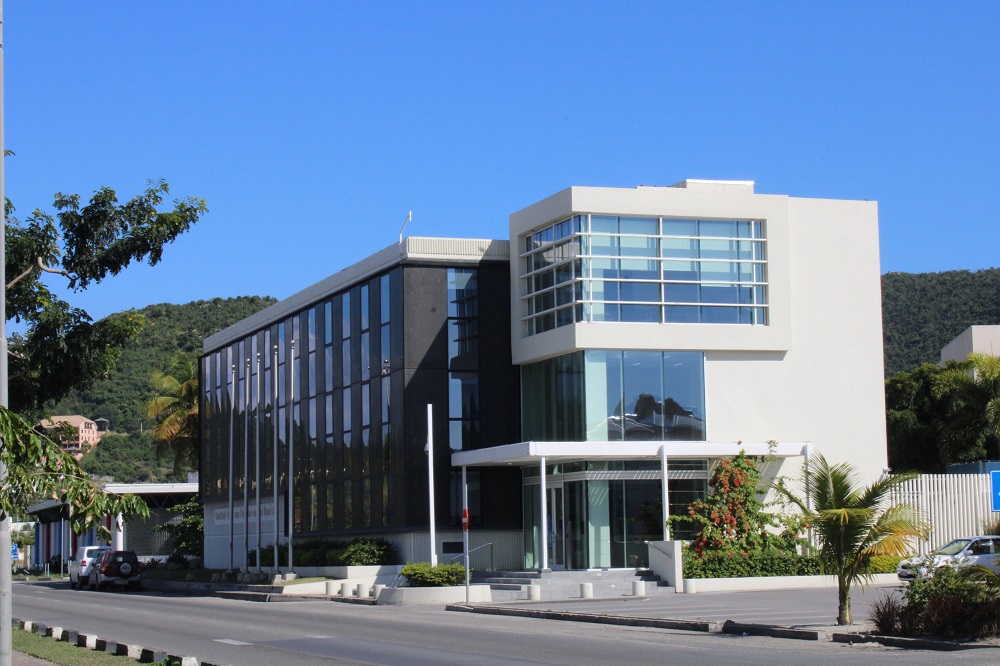
St. Maarten’s economy is expected to continue expanding in 2026 following a strong performance in 2025, but growing geopolitical tensions and global uncertainties could weigh on the outlook, according to the latest Economic Bulletin of the Central Bank of Curaçao and St. Maarten (CBCS).
After posting real GDP growth of 3.4 percent in 2025, St. Maarten is projected to grow by 2.4 percent in 2026, reflecting a gradual normalization following the post-pandemic recovery. The expansion continues to be driven largely by tourism, which remains the backbone of the island’s economy, along with related sectors such as transport, trade and construction.
CBCS President Richard Doornbosch noted that while the recovery remains intact, St. Maarten’s open economic structure leaves it particularly exposed to global developments, adding that the same applies to Curaçao. “Both countries remain on a positive growth trajectory, but their small, open economies are highly vulnerable to external shocks,” he said.
Tourism-driven growth
The strong performance in 2025 was underpinned by robust stay-over arrivals and cruise tourism, which supported a broad-based recovery across multiple sectors. Increased visitor spending translated into higher activity in hospitality, retail and logistics, while ongoing investments in tourism-related projects and infrastructure further boosted economic momentum.
For 2026, growth is expected to continue, though at a slower pace. Domestic demand is projected to remain positive, supported by employment and income gains, but will likely moderate compared to the previous year. At the same time, inflation is expected to edge upward, driven by higher international oil prices and rising transport costs—factors largely beyond the control of local policymakers.
Improved external position
St. Maarten, together with Curaçao as part of the monetary union, has also seen a marked improvement in its external position. The current account deficit narrowed significantly from 16.4 percent of GDP in 2024 to 9.2 percent in 2025, and is projected to decline further to 7.2 percent in 2026. This would mark the first time since the establishment of the monetary union in 2010 that the deficit falls into single digits.
According to the CBCS, this improvement reflects stronger export revenues from tourism, as well as more moderate import growth. At the same time, the central bank emphasized the importance of maintaining adequate foreign exchange reserves to support the fixed exchange rate with the US dollar, which continues to serve as a key anchor for macroeconomic stability.
Rising global risks
Despite the positive baseline outlook, the CBCS warns that risks to St. Maarten’s economy are increasingly tilted to the downside. The projections assume that global geopolitical tensions will not escalate into prolonged disruptions—an assumption that remains uncertain.
Developments in the Middle East, the ongoing war in Ukraine, and regional tensions involving Venezuela could all have ripple effects on fuel prices, shipping costs and global demand. Scenario analyses by the Central Bank indicate that a sharp increase in oil prices could lead to higher inflation, slower growth and pressure on foreign reserves over the medium term.
“In uncertain times, it is essential to maintain sufficient buffers to absorb potential shocks,” Doornbosch stressed, noting that external shocks can quickly transmit to small island economies like St. Maarten.
Structural vulnerabilities
The CBCS reiterated that St. Maarten’s heavy reliance on tourism continues to be a structural vulnerability. While the sector has been a key driver of recovery, it also exposes the economy to fluctuations in global travel demand and external economic conditions.
Lessons from the COVID-19 pandemic have reinforced the need for greater diversification and resilience. The CBCS has consistently pointed to the importance of strengthening the investment climate, improving labor market efficiency, and enhancing productivity to support more sustainable long-term growth.
Curaçao shows similar trend
In Curaçao, economic growth reached 3.9 percent in 2025 and is expected to slow to 2.6 percent in 2026, following a similar trajectory of strong recovery followed by gradual moderation. Like St. Maarten, Curaçao’s growth has been supported by tourism, investment and related sectors, while also facing similar external risks.
The shared monetary framework means that developments affecting one country often have implications for the other, particularly in areas such as foreign reserves, inflation and financial stability.
Policy priorities
In light of the evolving risk environment, the CBCS is urging both governments to take targeted measures to strengthen economic resilience. Key recommendations include reducing dependence on imported energy through investments in renewable sources, improving logistics infrastructure, and enhancing efficiency in key sectors.
The Central Bank also highlighted the importance of targeted support for vulnerable households facing rising living costs, while maintaining fiscal discipline. Although public debt levels in both countries remain manageable, they are sensitive to external shocks, underscoring the need to build fiscal buffers.
Investments in education and workforce development were also identified as critical to addressing labor market mismatches and ensuring that economic growth translates into broader social benefits.
While St. Maarten’s economic outlook remains positive, the CBCS cautions that sustaining growth in an increasingly uncertain global environment will require careful policy choices. With limited control over imported inflation and external conditions, the government must strike a balance between supporting growth and safeguarding stability.
###
ADVERTISEMENT