Advertisement





By Shola Blessing
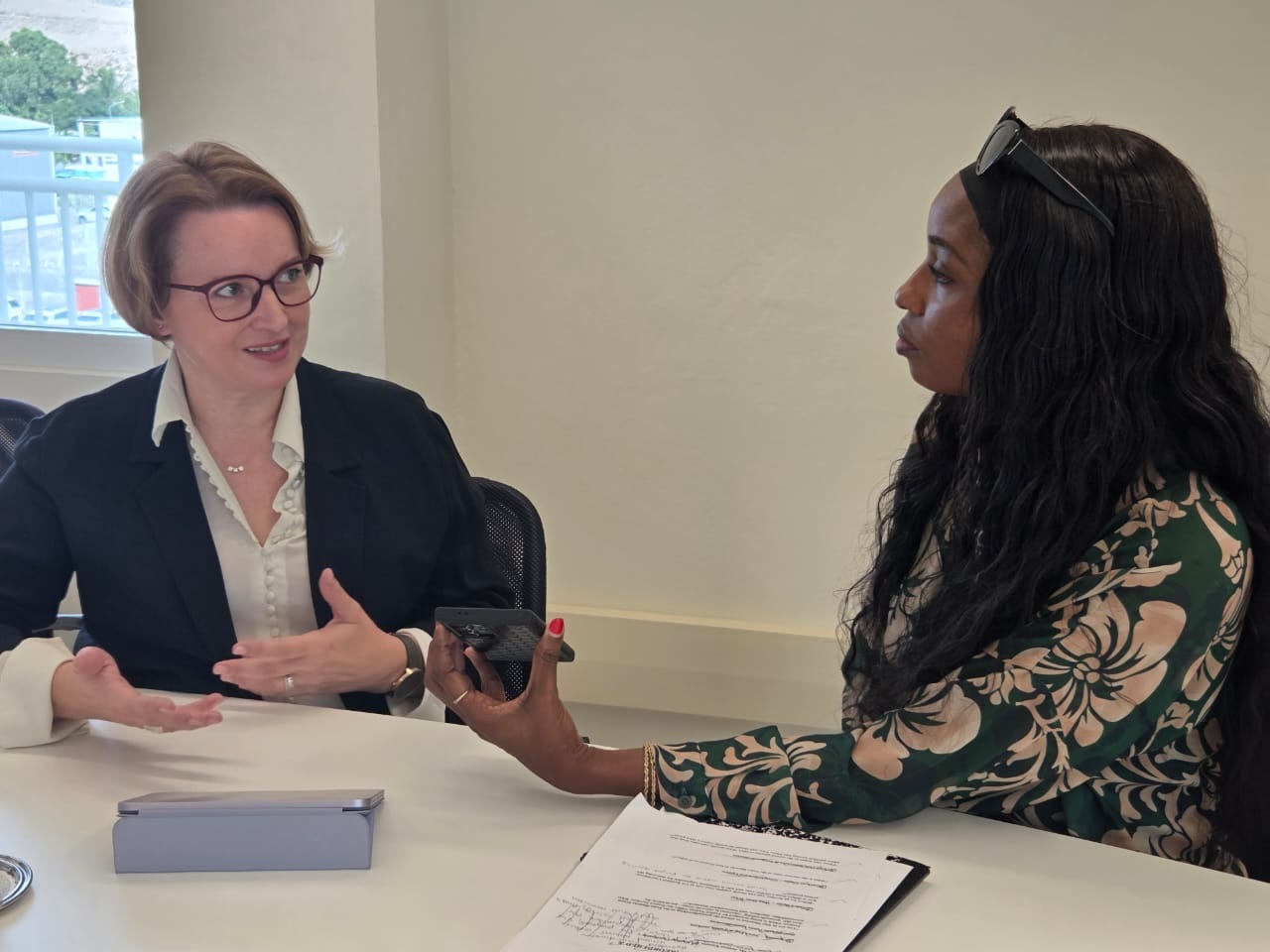
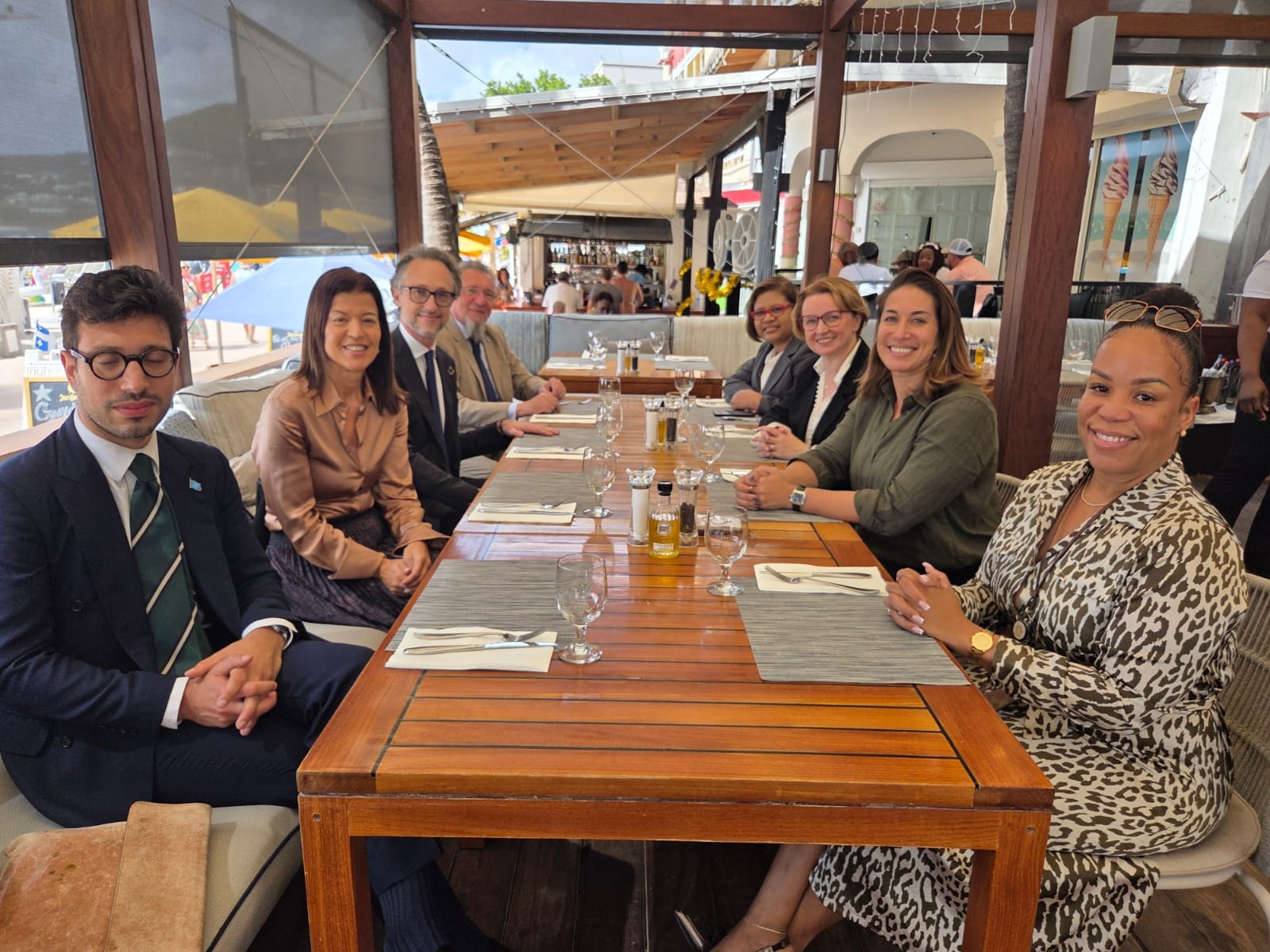
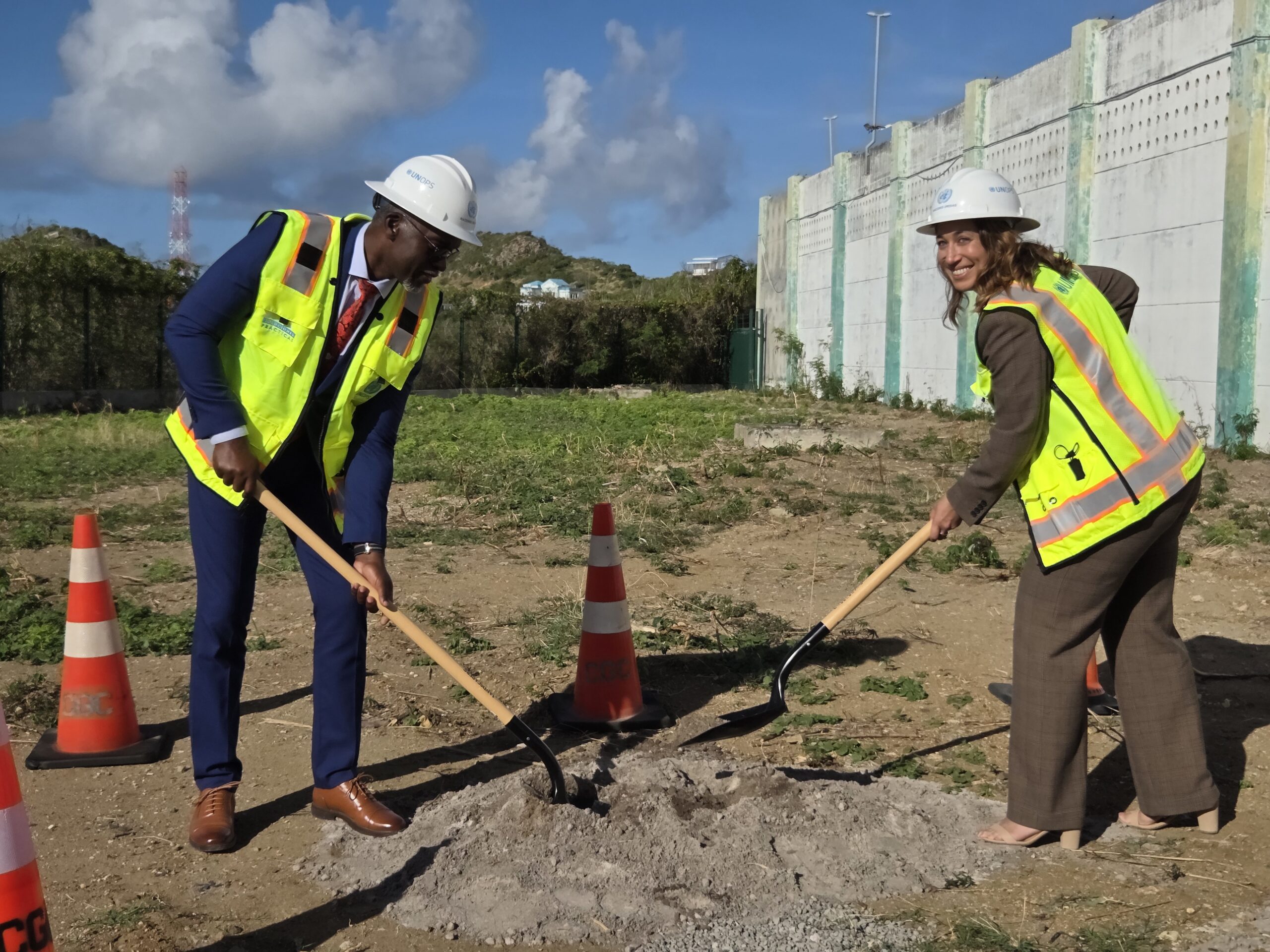
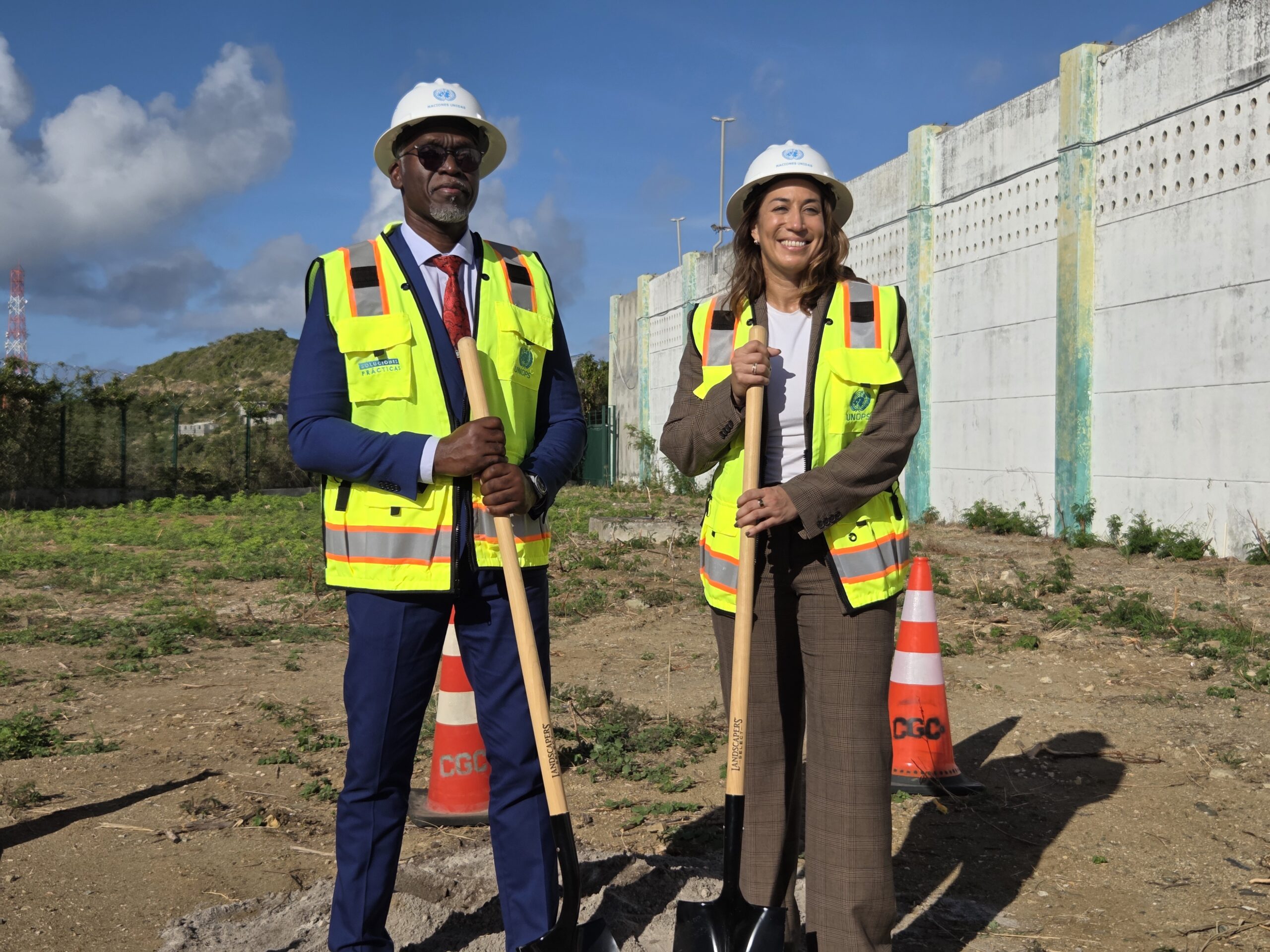
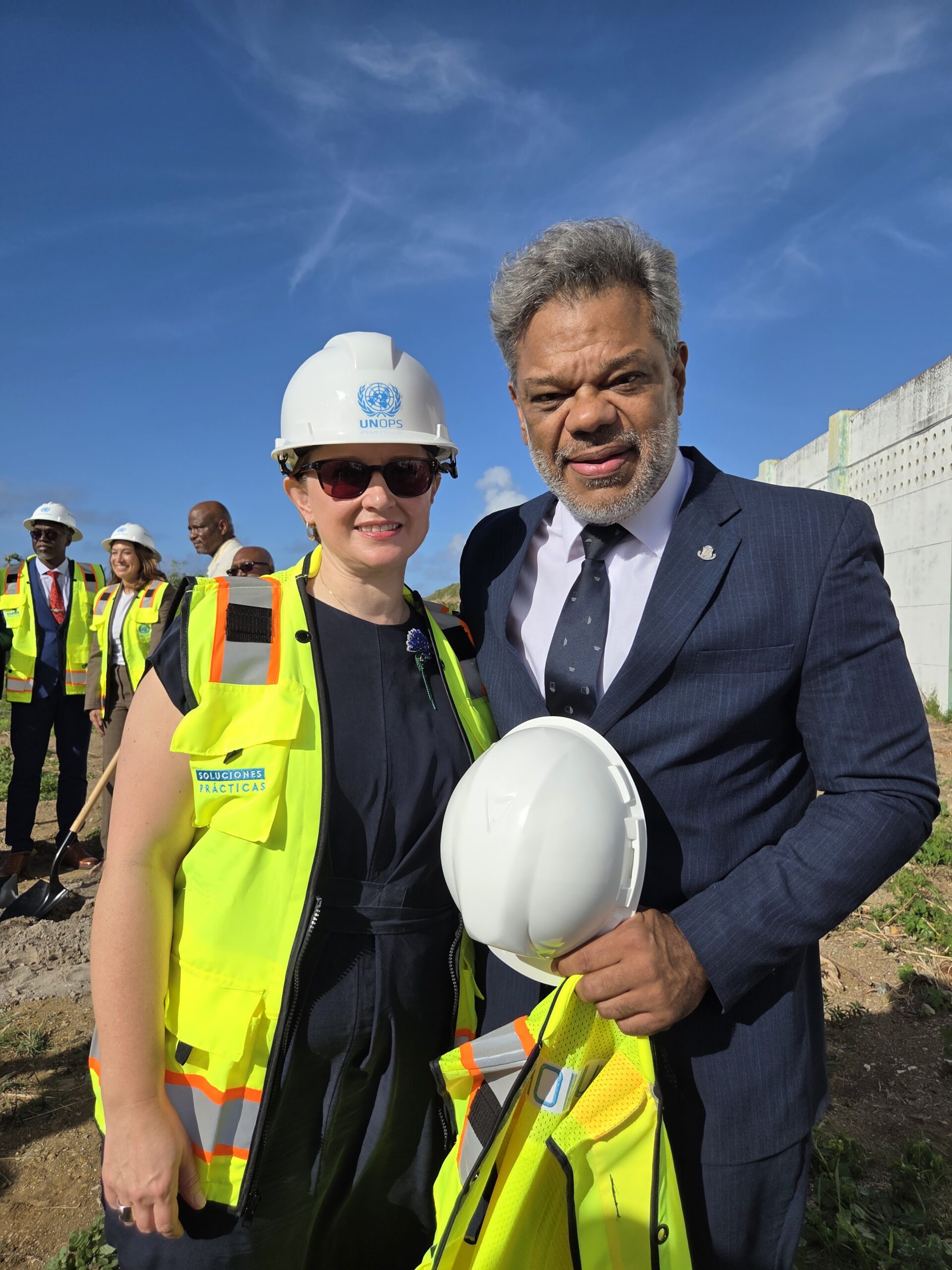
PHILIPSBURG – The groundbreaking ceremony for the new Point Blanche Prison marks a significant milestone in a project that has been years in the making, according to Joanna Kazana, the United Nations Resident Coordinator for Trinidad and Tobago, Aruba, Curaçao, Sint Maarten and Suriname.
Kazana, who was in Sint Maarten specifically to attend the groundbreaking, described the moment as a transition from an extended planning phase to tangible implementation. Her visit also included meetings with government officials as part of the United Nations’ broader engagement with the island.
Kazana explained that her role as Resident Coordinator is to ensure that the United Nations system operates in a coordinated and effective manner, aligned with the priorities and long-term development strategies of the Government of Sint Maarten. In that capacity, she expressed strong confidence in the United Nations Office for Project Services (UNOPS), which is serving as the Government’s designated implementing partner for the prison project.
“UNOPS is one of the most experienced agencies within the UN system when it comes to large-scale infrastructure programmes,” Kazana said. “They have the procurement systems, management skills, and access to specialized expertise that complex projects like this require.”
She added that UNOPS benefits from the support of the wider UN system, allowing it to draw on technical assistance from other agencies when needed, particularly in areas such as rehabilitation, human rights, and gender-sensitive design.
Project phases and timeline
The Point Blanche Prison project has been structured in phases. Phase One began in the second quarter of 2023 under former Minister of Justice Anna Richardson and focused primarily on design, feasibility, and preparatory work. According to Kazana, this phase involved extensive technical planning, permitting, and decision-making to ensure that the facility would meet international standards and remain functional for decades.
UNOPS has confirmed that the successful completion of Phase One resulted in an approved design for a modern, resilient correctional facility, which allowed the project to advance to Phase Two. Phase Two centers on the construction and operationalization of the new prison.
While Kazana spoke about the importance of ensuring that the prison ultimately functions as a rehabilitation-oriented institution, UNOPS clarified that at this stage there is no expectation of a third construction phase. Construction under Phase Two is expected to take approximately three years and is projected to run until 2028, combining local labor with international expertise.
Responding to concerns and oversight
The prison project has drawn public scrutiny over the years, particularly following statements by the Progress Committee, which in its 50th report indicated that there had been “no progress” on the project since Sint Maarten became an autonomous country.
Kazana addressed these concerns by welcoming the role of external oversight. She described the Progress Committee as an important accountability mechanism that contributes to transparency and public scrutiny.
“It demonstrates that there is oversight and that commitments are being monitored,” she said, noting that such mechanisms are beneficial not only for this project but for governance more broadly.
She also pointed to the current stage of the project as evidence that progress is now being realized, with the groundbreaking ceremony signaling the start of physical works.
Role of the Justice Ministry
Kazana acknowledged the role of the Ministry of Justice in advancing the project and noted that current Minister of Justice Nathalie Tackling is leading the project on behalf of the Government of Sint Maarten.
She described cooperation with the ministry as strong and said that national leadership and ownership are essential to the success of a project of this scale. According to Kazana, the collaboration is expected to expand beyond construction to include rehabilitation programmes and broader justice-sector initiatives over time.
Beyond construction: rehabilitation and social impact
While much of the public focus has been on the physical structure of the prison, Kazana emphasized that the long-term effectiveness of the facility will depend on what happens inside it. She highlighted the importance of rehabilitation, reintegration, and the prevention of repeat offending, areas where other UN agencies may contribute expertise in the future.
By the end of the project, Sint Maarten is expected to have a correctional facility that supports humane detention conditions and strengthens the rule of law. UNOPS has also indicated that skills transfer is a key component of its implementation approach, with local professionals and institutions involved alongside international experts.
UN engagement beyond the prison
Addressing questions about broader UN involvement in Sint Maarten, Kazana explained that while the prison is currently the only active UNOPS project on the island, other UN agencies are engaged in areas such as public health, disaster risk reduction, biodiversity, and women’s protection.
She acknowledged that much of this work is not always highly visible. “A lot of work is going on, but it may not always be seen physically,” she said.
Kazana encouraged the public to consult the UN 2024 Annual Results Report on development cooperation, which outlines the activities of UN agencies in Sint Maarten and the wider Dutch Caribbean.
“We don’t always host events or conferences,” she added, “but there is ongoing coordination, planning, and support taking place.”
As construction begins at Point Blanche, the project now enters a phase where progress will be measured not by plans and reports, but by visible results on the ground—something residents have been waiting to see for many years.

Related articles:
EDITORIAL – Why the Point Blanche Prison Groundbreaking Matters
Sidebar – UN on Agriculture
Point Blanche Prison Groundbreaking Marks Turning Point After Years of Delays
###
ADVERTISEMENT